
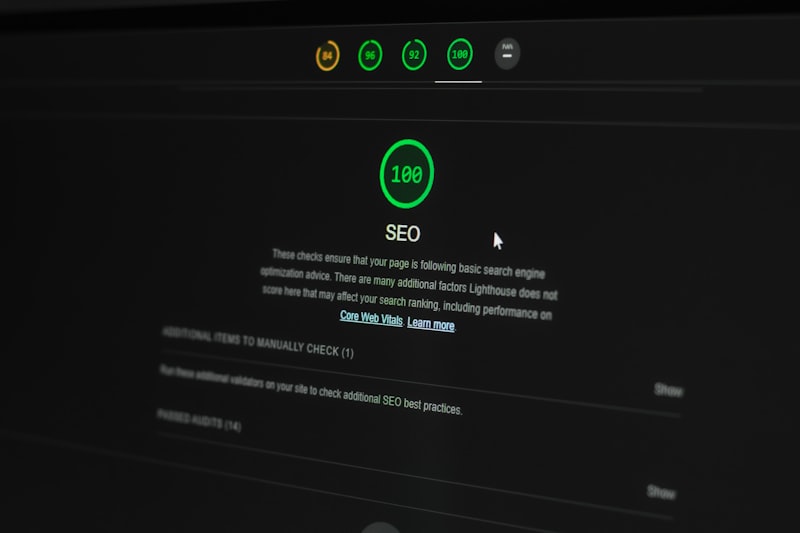
You've done the keyword research and written a great article. But before you hit publish, you need to ensure search engines can understand exactly what the page is about. That is where on-page optimization comes in.
What Is On-Page SEO?
On-page SEO refers to the practice of optimizing individual web pages in order to rank higher and earn more relevant traffic. It involves aligning page-level elements like title tags, headings, content, and internal links with specific keywords.
Why It Matters
Unlike off-page SEO (backlinks), on-page SEO is 100% within your control. It is the most direct way to communicate relevance to Google's algorithms. If your on-page SEO is weak, even a massive backlink profile won't save you.
The Ultimate Checklist
Run through this checklist for every page you publish:
- Title Tag: Include your primary keyword near the front. Keep it under 60 characters.
- URL Slug: Make it short, descriptive, and keyword-rich.
- H1 Heading: Ensure there is only one H1, and it clearly states the topic.
- Content: Include the keyword in the first 100 words. Use semantic variations throughout.
- Images: Compress file sizes and add descriptive Alt Text.
- Internal Links: Link to 2-3 other relevant pages on your site.
Benefits
- Immediate improvements in topical relevance and rankings.
- Higher click-through rates from optimized titles and descriptions.
- Better user experience through structured, readable content.
Best Practices
Satisfy search intent above all else. If a user searches for "how to tie a tie," they want a step-by-step guide or video, not a 2000-word essay on the history of neckwear. Match your content format to what the user actually wants.
Common Mistakes
Keyword cannibalization—optimizing multiple pages on your site for the exact same keyword. This forces your own pages to compete against each other in the search results.
FAQ Section
How often should I update old content?
Review your top-performing pages annually. Update statistics, fix broken links, and refresh the content to maintain its relevance and rankings.
Conclusion
Consistent on-page optimization is the hallmark of a professional SEO strategy. Bookmark this checklist and apply it to every piece of content you create.